Save $995 on all projects over $10,000! Learn more

How Long Will My Hardie Siding Last?
A new siding project is a big investment, so the first thought that comes to mind is simple: How long will my Hardie siding last? No one wants to pay for another full replacement in 10 or 15 years because the material faded, cracked, or allowed water to sneak in behind the walls.
James Hardie fiber cement siding is built with a very different goal in mind. When it is installed the right way and cared for with basic cleaning, it is made to protect a home for 50 years or more. For many homeowners, it ends up being the last siding they ever buy. That is a big reason so many people across Greater Atlanta choose Hardie when they are tired of failing wood, stucco, or old composite siding.
The real answer to “How long will my Hardie siding last?” depends on a few key pieces working together. The fiber cement material has to be genuine James Hardie. The installation has to follow the manufacturer’s rules. The product needs to match the local climate, and the home needs light, regular care. As a James Hardie certified installer, Keystone Siding & Windows has seen, again and again, how long Hardie siding can perform when those pieces line up.
By the end of this article, you will know what a realistic lifespan looks like, how the warranties work, what makes Hardie siding so tough, and how professional installation in the Atlanta area affects that 50‑plus‑year promise. You will also see how Keystone Siding & Windows helps homeowners protect that investment for the long haul.
What Is the Expected Lifespan of James Hardie Siding?
Homeowners who ask “How long will my Hardie siding last?” are usually looking for a straight number. In real‑world use, properly installed James Hardie fiber cement siding often lasts 50 years or longer. Many homes never need another full siding replacement as long as the material was installed by a qualified crew and the owner keeps up with simple cleaning and caulk checks.
James Hardie backs this long service life with a 30‑year, non‑prorated, limited substrate warranty on its siding, trim boards, and soffit. Non‑prorated means the coverage does not shrink over time. If there is a valid issue in year five or year twenty‑five, the material coverage is the same. The warranty is also transferable to the next owner, which adds real value when it is time to sell.
For products with ColorPlus® Technology, there is a separate 15‑year limited finish warranty. This covers peeling, cracking, and chipping of the factory‑applied color. In practice, many ColorPlus finishes stay in good shape for 20 years or more because the paint is applied in controlled conditions and baked on in layers.
Compared to other siding choices, the difference is clear:
- Vinyl siding often needs replacement in about 20 to 30 years.
- Wood siding can struggle to reach 10 to 20 years unless it gets heavy, frequent care.
- Aluminum siding can last 25 to 40 years but dents easily and fades.
So when people ask “How long will my Hardie siding last?” the honest answer is that it generally outlives these other options, as long as the material, installation, and maintenance all meet James Hardie standards.
What Makes James Hardie Siding So Durable?
James Hardie siding starts with fiber cement, a mix of cement, sand, and cellulose fibers. This blend creates a dense, stable board that holds its shape over decades. It does not swell and shrink the way wood does, and it stays much more solid than hollow vinyl panels or thin metal.
Because of that material base, Hardie siding resists rot and warping. It does not soak up water like wood, so it does not soft‑spot, cup, or split in the same way. Termites and carpenter ants are not interested in it, and even woodpeckers leave it alone because it is far too hard for them to drill into.
Fire performance is another major advantage. Fiber cement is non‑combustible, so it does not ignite when exposed to direct flame and does not add fuel to a house fire. Some insurance companies recognize this benefit with lower premiums, which can help offset the higher initial cost over time.
Weather is where many Atlanta‑area homeowners really see the difference. Hardie siding is made to stand up to high winds, heavy rain, hail, and big temperature swings without cracking or denting. James Hardie uses the Engineered for Climate® program and the HardieZone® System to match specific product formulas to different parts of the country. In humid, storm‑prone regions like Greater Atlanta, that means boards are tuned to handle moisture, heat, and sun for the long term.
Color is protected as well. Products with ColorPlus Technology receive multiple coats of paint in a factory setting, then the finish is baked on. This process gives much better fade resistance than typical field‑applied paint, and it helps guard against peeling and chipping. That longer‑lasting color support directly helps Hardie siding keep its fresh look deep into those 50‑plus years.
All of these features work together to answer “How long will my Hardie siding last?” in a very positive way. The boards stay strong, keep their shape, and hold their color far longer than most other siding materials.
- Long‑term stability: Fiber cement boards stay straight on the wall for decades, so shadow lines stay crisp and the home keeps a sharp, finished look instead of sagging or wavy panels. This steady shape also helps seal joints correctly, which reduces the risk of water finding its way behind the siding. Over many years, that stability makes a big difference in how solid a home feels and looks.
- Protection from pests and fire: The resistance to insects and fire means there is far less risk of hidden damage inside walls from termites or from embers in a neighborhood fire. While no siding can stop every problem, Hardie products remove several common failure points that shorten the life of other materials. Fewer weak spots mean a much longer, more predictable lifespan.
- Long‑lasting color and finish: Because the color and surface hold up so well, owners can go longer between repaints, especially with ColorPlus boards. Fewer repaint cycles mean less chance for paint crews to damage boards and fewer cracks in older paint layers where water could sneak in. That simple fact helps stretch the answer to “How long will my Hardie siding last?” even closer to that lifetime mark.
Keystone Siding & Windows installs only genuine James Hardie fiber cement products for siding projects, so homeowners in Greater Atlanta get all of these built‑in durability advantages right from the start.
Why Professional Installation Is Critical for Longevity
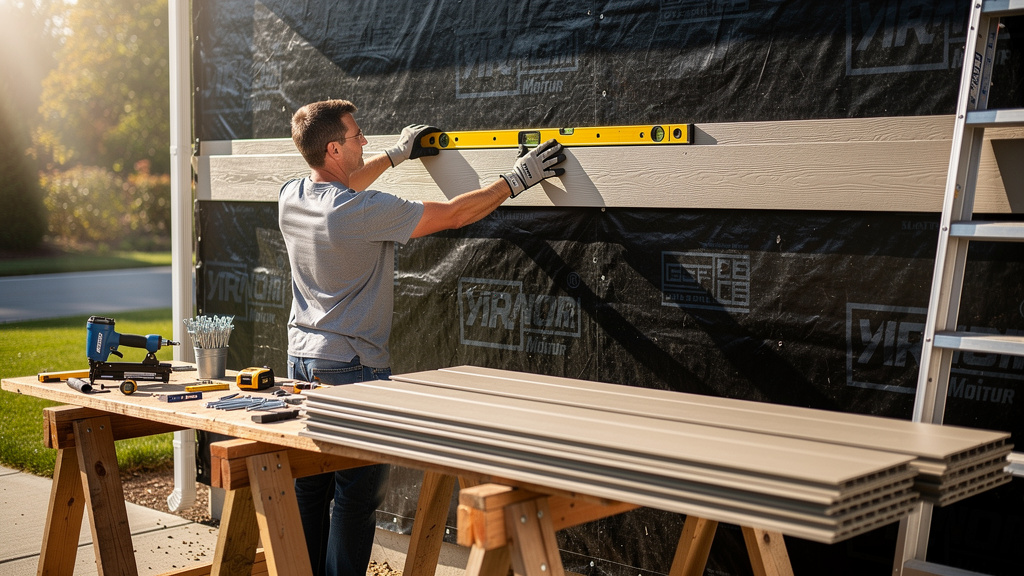
The question “How long will my Hardie siding last?” does not come down to the material alone. Even the best fiber cement boards can fail early if someone cuts corners on the installation. James Hardie publishes very detailed rules about nailing patterns, joint spacing, flashing, water barriers, and clearances. Those rules are not suggestions. They are what allow the product to shed water and breathe the way it was designed.
As many siding contractors like to say, “The best siding in the world fails when water gets past it.”
When installers ignore these instructions, problems begin. Nails driven too deep can crack boards or hold them too tight. Nails that miss framing members fail to support the panel correctly. Gaps that are too tight or too wide at the joints can let water collect where it should not. Missing or poorly installed flashing around windows, doors, and roof lines creates direct paths for moisture into the wall system.
Cheap or short‑life support materials hurt lifespan as well. A 5‑year caulk used on a 50‑year siding project will split and pull away long before the boards wear out. Wrong fasteners can rust and stain the siding, or even let boards loosen over time. Thin, watered‑down paint on primed Hardie boards will not shield the surface the way a quality acrylic coating can.
Common installation mistakes shorten the life of Hardie siding in very real ways:
- When crews skip a proper water‑resistive barrier or tape, wind‑driven rain can sneak behind the siding and soak the sheathing. Over time, that hidden moisture can rot the framing, even though the boards themselves still look fine from the street. Owners then face expensive repairs they did not expect.
- If installers ignore existing damage, such as rotten trim, soft framing, or missing sheathing, and simply cover it with new siding, the new Hardie boards do not have a solid base to sit on. Movement under the boards can crack joints and caulk lines, and that movement often affects parts of the warranty.
- Poor attention to clearances at decks, roofs, and grade level can let water wick into the bottom edges of the boards. That constant wetting and drying shortens the life of any siding material and can also affect paint and caulk performance.
This is why Keystone Siding & Windows treats installation as carefully as the product choice itself. As a James Hardie certified installer, our crews follow the manufacturer’s guidelines on every home. We perform full inspections after removing old siding, repair damaged framing and sheathing, and use manufacturer‑approved caulk, fasteners, and paints. We also back our work with a Limited Lifetime Workmanship Warranty for owner‑occupied single‑family homes. When all of that comes together, the question “How long will my Hardie siding last?” has a clear answer: it can serve the home for many decades.
Conclusion
For homeowners who want this project to be “one and done,” James Hardie fiber cement siding is one of the best options on the market. With proper installation and simple care, it has a realistic lifespan of 50 years or more. That long service is built on three main pillars, which work together on every successful job.
- Fiber cement strength: The fiber cement material resists rot, pests, fire, and harsh weather far better than many traditional siding products.
- Climate‑specific design: Climate‑specific engineering matches the product formula to Greater Atlanta’s heat, humidity, and storms so boards stand up to local conditions.
- Expert installation: Expert installation, following Hardie’s guidelines and using long‑lasting caulk, fasteners, and paint, keeps the system tight and dry.
When owners add basic maintenance—gentle washing, plus a quick check of caulk lines each year—the siding keeps both its look and protection for decades.
While the upfront price is higher than vinyl and some other options, many homeowners recover that cost through lower maintenance needs, fewer repairs, strong resale value, and the fact that they do not have to ask “How long will my Hardie siding last?” again in 20 years. Keystone Siding & Windows has more than 25 years of experience in the Greater Atlanta area and a long list of five‑star reviews from siding, stucco replacement, and window projects. To see how long Hardie siding can protect your home, reach out for a no‑pressure consultation, siding inspection, and detailed James Hardie installation estimate.
FAQs
Does James Hardie Siding Really Last 50 Years?
In normal conditions, with proper installation and light care, James Hardie siding often lasts 50 years or longer. The 30‑year non‑prorated warranty shows how much confidence the manufacturer has in that long service life. Many homes keep their original Hardie siding well past the warranty period with no major issues. The real key is having a certified installer and using quality caulk, fasteners, and paint, so the whole system holds up together.
How Often Does Hardie Siding Need To Be Repainted?
If you choose James Hardie products with ColorPlus Technology, the factory finish carries a 15‑year limited warranty and often looks good for 20 years or more. The baked‑on color resists fading, peeling, and chipping better than typical site‑applied paint. If you pick primed Hardie boards that are painted on the house, a repaint every 10 to 15 years is common. The fiber cement base holds paint much longer than wood, so repaint cycles are still fairly spaced out.
What Maintenance Does James Hardie Siding Require?
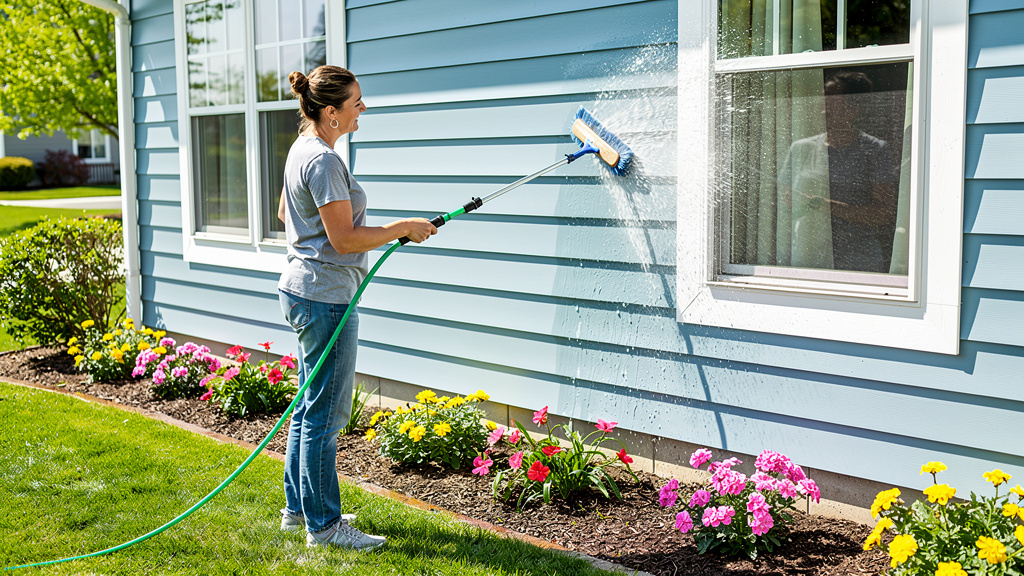
James Hardie siding is low‑maintenance, not no‑maintenance. It benefits from a gentle wash every 6 to 12 months using a soft brush or cloth and a garden hose to remove dirt, pollen, and mildew. It is best to avoid high‑pressure washers, which can damage the surface or drive water into joints. Once or twice a year, walk around your home and check caulk lines around windows, doors, and trim. If you see gaps or cracks, have them re‑caulked to keep water out. Compared to the sanding, scraping, and frequent repainting wood often needs, this routine is very simple and helps the siding reach that 50‑year mark.
Is Hardie Siding Worth the Higher Cost Compared to Vinyl?
For many homeowners who expect to stay in their house, James Hardie siding is worth the higher upfront cost. It often lasts 50 years or more, while vinyl siding may need full replacement in 20 to 30 years, so you avoid at least one future siding project. Fiber cement also offers better fire, impact, and weather resistance, which can reduce repair costs and may lower insurance premiums. Add in its strong appeal to buyers, and the long‑term value often outweighs the initial price difference.

I believe great businesses are built by taking care of people—customers, employees, and partners alike. That’s the philosophy that has guided me and my team as we've built Keystone Siding & Windows, Inc.