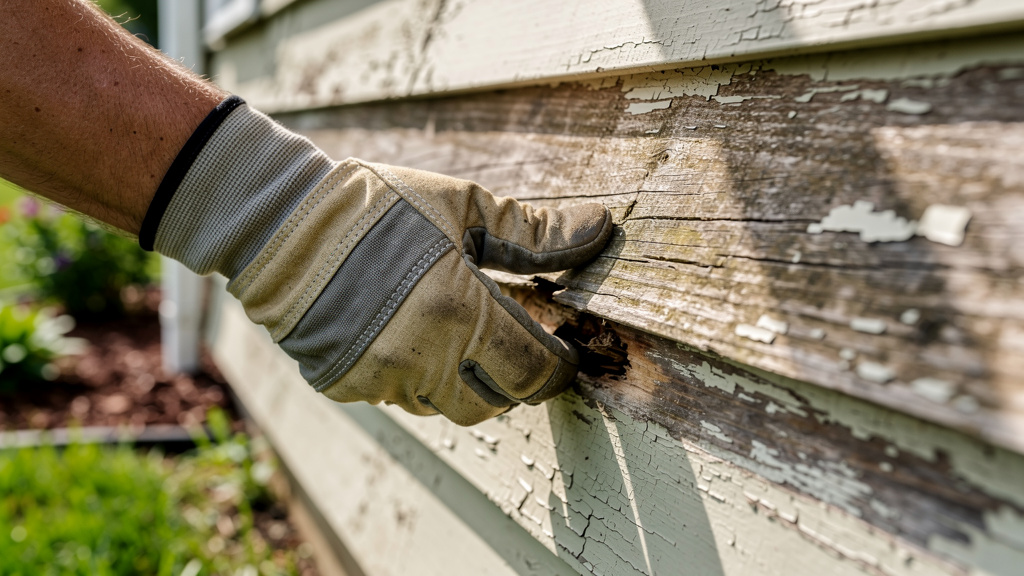
Save $995 on all projects over $10,000! Learn more

Can I Just Replace Some Siding or Do I Need to Replace All of It?
A warped board, peeling paint, or a soft, rotted spot on a wall raises the same question for many homeowners: “Can I just replace some siding, or do I need to replace all of it?”
The right call depends on how far the damage has spread, how old the siding is, what material is on the walls, and how long you plan to stay in the home.
This guide draws on more than twenty‑five years of experience from Keystone Siding & Windows in Greater Atlanta. You will see how to check your siding, when partial siding replacement is enough, when full siding replacement makes more sense, and how siding material affects long‑term cost and curb appeal.
How to Properly Assess Your Siding's Condition
Before you choose repair or replacement, give your siding a careful check.
Walk slowly around the house and look at every wall from the foundation to the roofline. Pay extra attention to corners, around windows and doors, and near decks and gutters.
Look and feel for these common warning signs:
- Visible damage: Cracks, holes, chips, or dents. Even a small opening can let water reach the wall behind the siding.
- Warping or bulging: Boards that bow, bubble, or look wavy often mean trapped moisture or installation problems.
- Soft or rotten spots: Gently press a screwdriver into suspicious areas. If it sinks in or feels spongy, you likely have rot and possible water damage inside the wall.
- Pest damage: Tiny holes, tunnels, or peck marks from termites, carpenter ants, or woodpeckers. Where insects or birds get in, water often follows.
- Aging and wear: Heavy fading, a chalky film on your hand, peeling paint, or brittle boards that crack instead of flexing.
Repeat this check after major storms and take clear photos of anything you see so you can review it with a siding contractor.
As many exterior crews like to say, "Your siding is your home's raincoat, not just its outfit."
Some problems, especially behind older LP siding or failing stucco, stay hidden until sections are removed. A professional inspection from a company like Keystone Siding & Windows can reveal issues you cannot see from the ground.
When Partial Siding Replacement Makes Sense
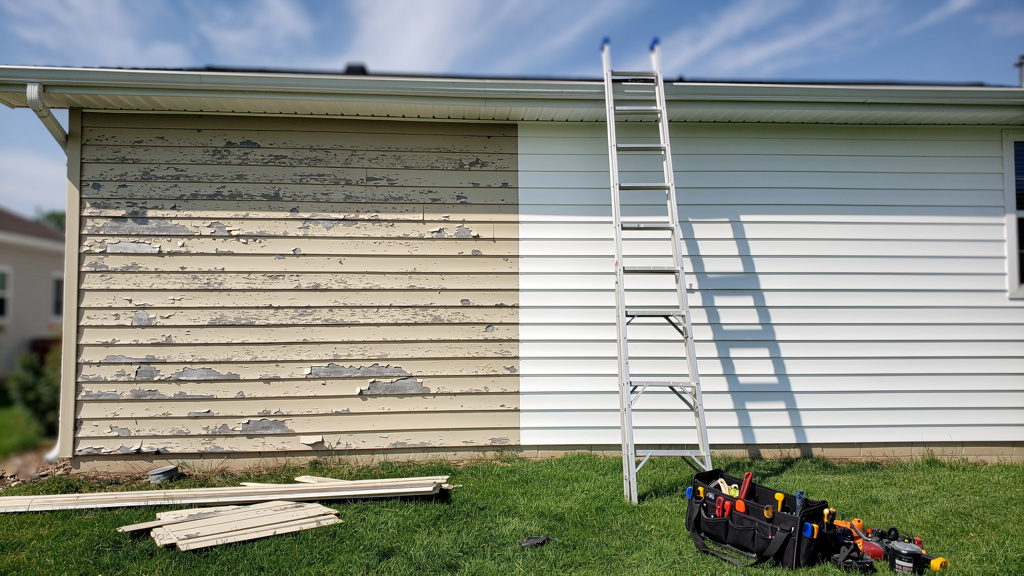
Sometimes the answer to “Can I just replace some siding or do I need to replace all of it?” is yes—you can repair part of the house. Partial siding replacement works well when damage is limited to one or two spots, the rest of the siding is solid, and the material is still within its expected life span.
In those cases, replacing a few boards or panels often costs far less than re‑siding the entire house. A crew can usually remove the bad pieces, fix minor sheathing issues, and install new siding in less than a day.
How simple partial work is depends on what is on your walls:
- Vinyl siding: Panels can be unhooked and swapped out. The main challenge is color match, because older vinyl fades.
- Wood siding: Boards can be replaced one by one but must be fit, primed, and painted or stained so the patch blends in.
- Fiber cement siding: Very durable, so damage is usually from strong impact. Planks are heavier and need special tools, but a trained crew can tie new boards into the weather barrier and flashing.
- Metal siding: Small dents may be repairable; deeper dents or creases usually call for full panel replacement, and matching color and sheen is important.
Partial work makes the most sense when your siding is in the middle of its life and you plan to keep the same material. For new projects, ask the installer to leave a few extra pieces for future repairs.
Clear Signs You Need Full Siding Replacement
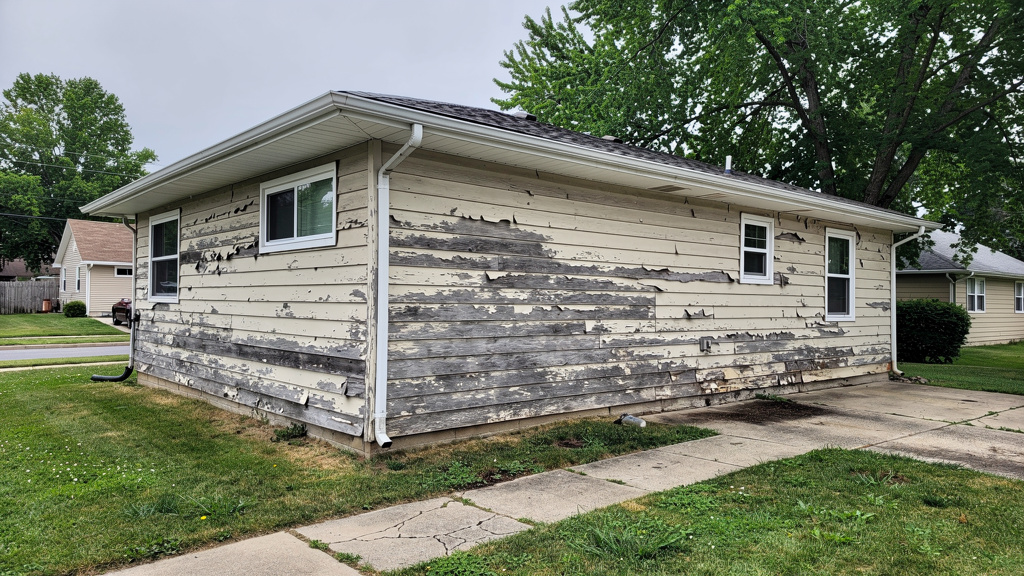
At some point, patching boards stops making sense. If you notice several of the signs below, it is time to discuss full siding replacement.
- Damage on many walls
Cracks, soft spots, loose boards, or missing caulk on several sides of the house mean the whole siding system is wearing out, not just one area. - Siding age
Most vinyl and wood siding lasts around 20–40 years. Modern fiber cement siding from brands such as James Hardie or Nichiha is rated for much longer. If your siding is near its expected life and repairs are piling up, a full project is often the better investment. - Constant maintenance
Repainting every few years, re‑caulking seams, and calling for repairs is a sign the material has given all it can. - Hidden structural damage
Homes around Greater Atlanta with older LP siding or failing stucco can hide wet sheathing, damaged framing, or mold. Keystone Siding & Windows often finds these problems only after removing the old material; in those cases, full replacement plus repairs is the safest path. - Plans to sell
If you hope to move within the next few years, new siding can return a large share of its cost and help the home compete with newer listings. - Comfort and energy bills
Old, warped, or poorly installed siding allows extra air movement through walls, leaving some rooms drafty or hot. New siding installed with proper weather barriers and flashing helps your heating and cooling system work less.
When two or more of these signs line up, treating the whole exterior instead of chasing small repairs usually protects the house—and your budget—far better.
How Material Choice Impacts Your Long-Term Investment
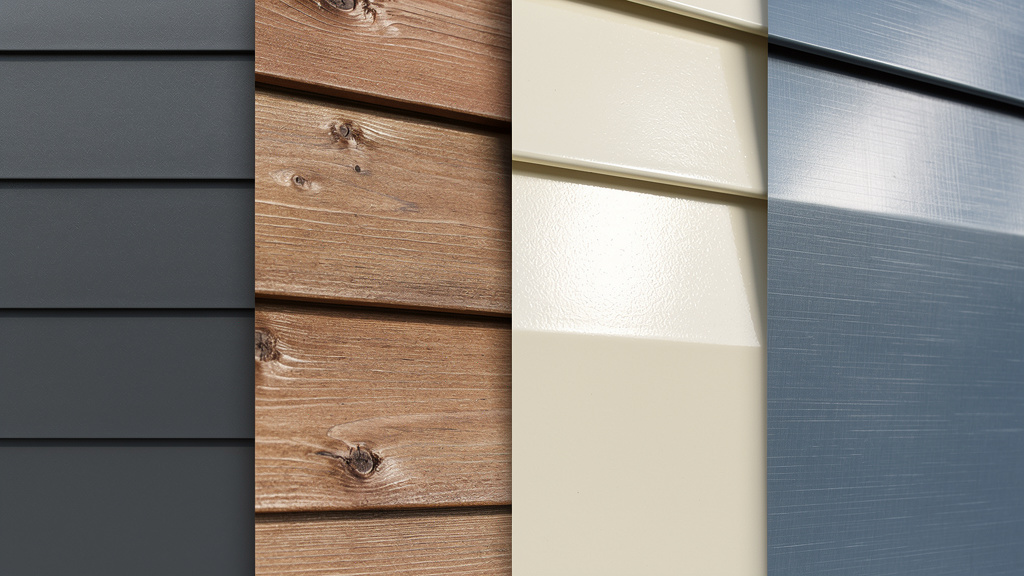
Once you decide that repair after repair is no longer worth it, the next big choice is which siding material should protect your home for the next few decades.
For many Atlanta homeowners, fiber cement siding is the first choice. Products from brands such as James Hardie and Nichiha resist rot, termites, and summer heat, hold paint far longer than wood, and come in styles that mimic modern panels, traditional lap siding, and even shingles. Installed correctly, fiber cement often carries a service life measured in many decades, which spreads the cost out over a long period.
Here is a quick comparison of common siding types:
Siding Type
Key Advantages
Common Limits
Typical Service Life*
Fiber cement
Low maintenance, fire and pest resistant, holds paint well
Heavier, needs trained installers
40–50+ years
Wood
Classic appearance, easy to repaint
Prone to rot and insects; needs frequent upkeep
20–40 years
Vinyl
Lower upfront cost, no painting needed
Can fade, crack, or warp in extreme temperatures
20–30 years
Metal
Handles many weather conditions well
Dents from impact; can corrode in harsh environments
30–40 years
*Actual life varies with installation quality, climate, and maintenance.
No matter which material you choose, how it is installed matters just as much as the product itself. Keystone Siding & Windows focuses on fiber cement every day, following manufacturer guidelines so homeowners get the performance and appearance they paid for.
Conclusion
The answer to “Can I just replace some siding or do I need to replace all of it?” comes down to four basics:
- How much of the exterior is damaged.
- How old the siding is.
- What material is on the walls.
- Your plans for comfort, appearance, and resale.
When damage is limited and the siding still has many good years left, partial siding repair can protect the house without a major project. When trouble spots keep showing up, damage stretches across several walls, or hidden rot appears behind LP siding or stucco, full siding replacement usually protects the structure—and your budget—far better.
Quality fiber cement siding provides strong weather protection, fresh curb appeal, lower maintenance, and more stable indoor comfort, while also adding value to a tired‑looking exterior.
If you are not sure where your house stands, a professional inspection helps you avoid guessing. Keystone Siding & Windows has more than twenty‑five years of experience in Greater Atlanta, specializes in James Hardie and Nichiha fiber cement, and backs every job with a Limited Lifetime Workmanship Warranty. Schedule a free exterior design consultation to get clear advice on whether repair or replacement is the better choice for your home.
FAQs
Question Can I Mix Old and New Siding Materials on My Home?
Mixing different siding materials on the same wall is rarely wise. Each material expands and contracts differently, which can create gaps and stress where they meet. Color and texture are also hard to match. If you want two materials, change at natural breaks—different stories, gable ends, or areas separated by trim.
Question How Long Does a Full Siding Replacement Typically Take?
For a typical single‑family home, full siding replacement usually takes about one to two weeks. That includes removing old siding, fixing damaged sheathing, installing new siding and trim, and painting if needed. Weather can slow the job. Small partial repairs are often finished in a day or less.
Question Will New Siding Improve My Home's Energy Efficiency?
New siding can improve comfort and energy use, especially if the old siding is damaged or poorly installed. Modern systems pair siding, housewrap, flashing, and insulation to cut down on air leaks. With fewer drafts and more stable indoor temperatures, heating and cooling equipment does not have to work as hard.
Question What Should I Do If I Find Hidden Damage During a Partial Repair?
If you uncover rot, missing sheathing, or mold during a repair, stop and call a professional. Hidden damage usually means water has been getting in for a long time. A company like Keystone Siding & Windows can open the area safely, measure how far the damage goes, and recommend the right scope of work.
Question How Do I Choose Between Repairing Now or Budgeting for Full Replacement Later?
Start with age and overall condition. If your siding is more than fifteen years old and new issues keep showing up, planning for full replacement often makes more sense than repeated small fixes. Ask a trusted contractor for written pricing on both repair and full re‑siding so you can compare cost and expected life.

I believe great businesses are built by taking care of people—customers, employees, and partners alike. That’s the philosophy that has guided me and my team as we've built Keystone Siding & Windows, Inc.